

Neuroaffirming autism support
Understanding the person—not changing who they are.
Autism Spectrum Disorder (ASD) is a lifelong neurodevelopmental difference that can shape communication, sensory processing, learning, emotional regulation, relationships, and daily experiences.
At Touch Brain Counselor, care is personalized around each person’s strengths, needs, comfort, and goals. We support autistic children, youth, adults, and families in building regulation, confidence, connection, and practical skills.
Every autistic person is different.
There is no single autism experience. Support begins by understanding the person’s communication preferences, sensory profile, interests, environment, and priorities.
Areas we may support
Personalized to the individualEmotional Regulation
Recognizing emotions, developing coping tools, and recovering from overwhelm in ways that feel safe and respectful.
Sensory Processing
Understanding sensory needs, identifying triggers, and creating supportive strategies for everyday environments.
Communication & Connection
Supporting authentic communication, self-advocacy, relationships, and social understanding without forcing masking.
Attention & Daily Skills
Building routines, flexibility, executive-function strategies, independence, and confidence at home or school.
Our combination-therapy approach
Care shaped around the whole person.
Depending on the individual’s needs, age, clinical assessment, and consent, a personalized plan may include counselling, play- or art-based therapy, parent support, mindfulness and sensorimotor strategies, QEEG brain mapping, or neurofeedback.
This information is educational and does not replace an individualized assessment or diagnosis. Services are recommended according to clinical suitability and informed consent.

Different ways of experiencing the world.
Autism may shape communication, sensory processing, routines, and social connection. Every person’s combination of strengths and support needs is different.
Communication
Communication may happen through speech, gestures, devices, typing, scripting, or other authentic forms.
Sensory Processing
Sensory responses can be heightened, reduced, or change depending on the environment.
Illustrative only—every sensory profile is individual.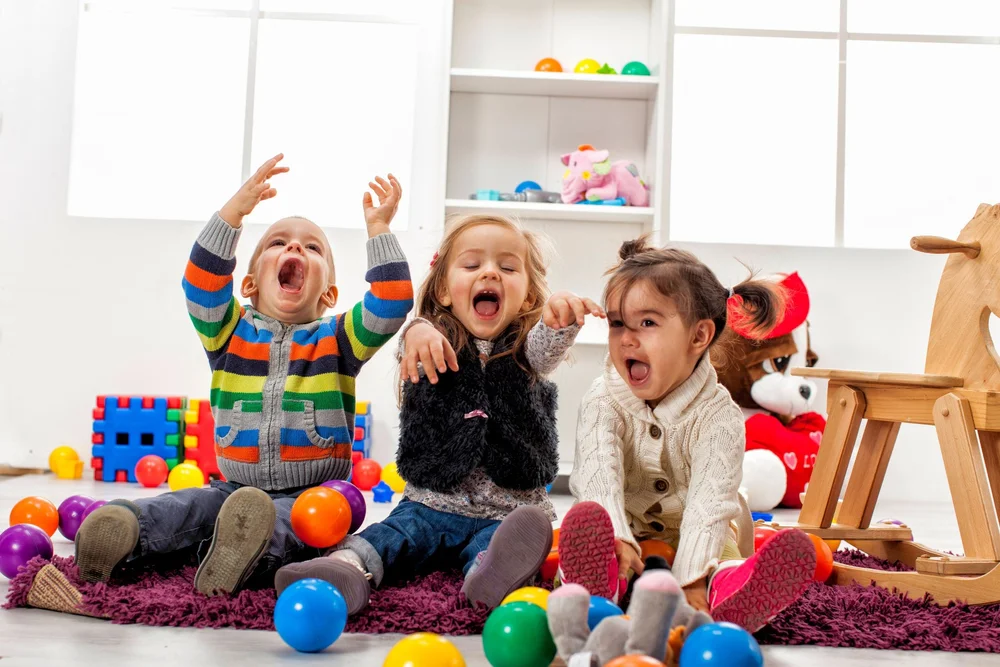
Behaviour & Routine
Repetition, focused interests, routines, and stimming can provide regulation, predictability, comfort, or joy.
Social Connection
Some people prefer smaller groups, one-to-one connection, parallel interaction, or more recovery time after social activity.
The goal is authentic connection—not forced performance.Different does not mean less.
Not caused by parenting · Not a disease · Not simply “bad behaviour” · Not something everyone experiences the same way.
It reduces stigma, supports confidence, strengthens communication, and helps create sensory-aware spaces.
Personalized autism support
A coordinated approach to meaningful progress.
Care begins with understanding the individual. Explore the assessment process, therapeutic options, and family supports that may be included in a personalized plan.


Services are recommended according to clinical assessment, practitioner availability, individual suitability, and informed consent. This section provides general information and does not replace diagnosis or individualized care.
Autism at a glance
What autism can affect.
Autism can shape how a person communicates, connects, processes sensory information, and navigates routines. These differences vary widely—and are not deficits in character or potential.
person
Communication
Speech, gestures, devices, typing, scripting, or other authentic forms of expression.
Behaviour & Routine
Focused interests, repetition, stimming, predictability, and adapting to change.
Sensory Processing
Heightened or reduced responses to sound, light, texture, smell, movement, and busy spaces.
Social Interaction
Different preferences for connection, social cues, eye contact, and relationship styles.
Different does not mean less.
A lifelong neurotype—not a failure.
- Not caused by parenting
- Not a behavioural problem
- Not a disease
- Not something a person simply “outgrows”
- Not the same in everyone
Support begins with respect.
- Reduce stigma
- Build healthy communication
- Create sensory-aware spaces
- Support self-confidence
- Encourage independence